
-p-500.webp)


.svg)
The website that launched before the product
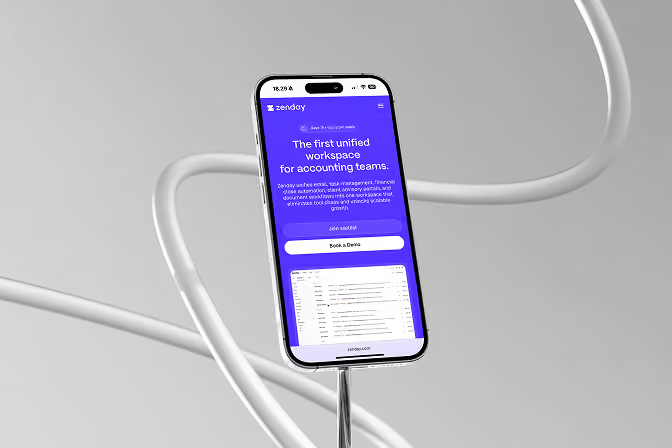
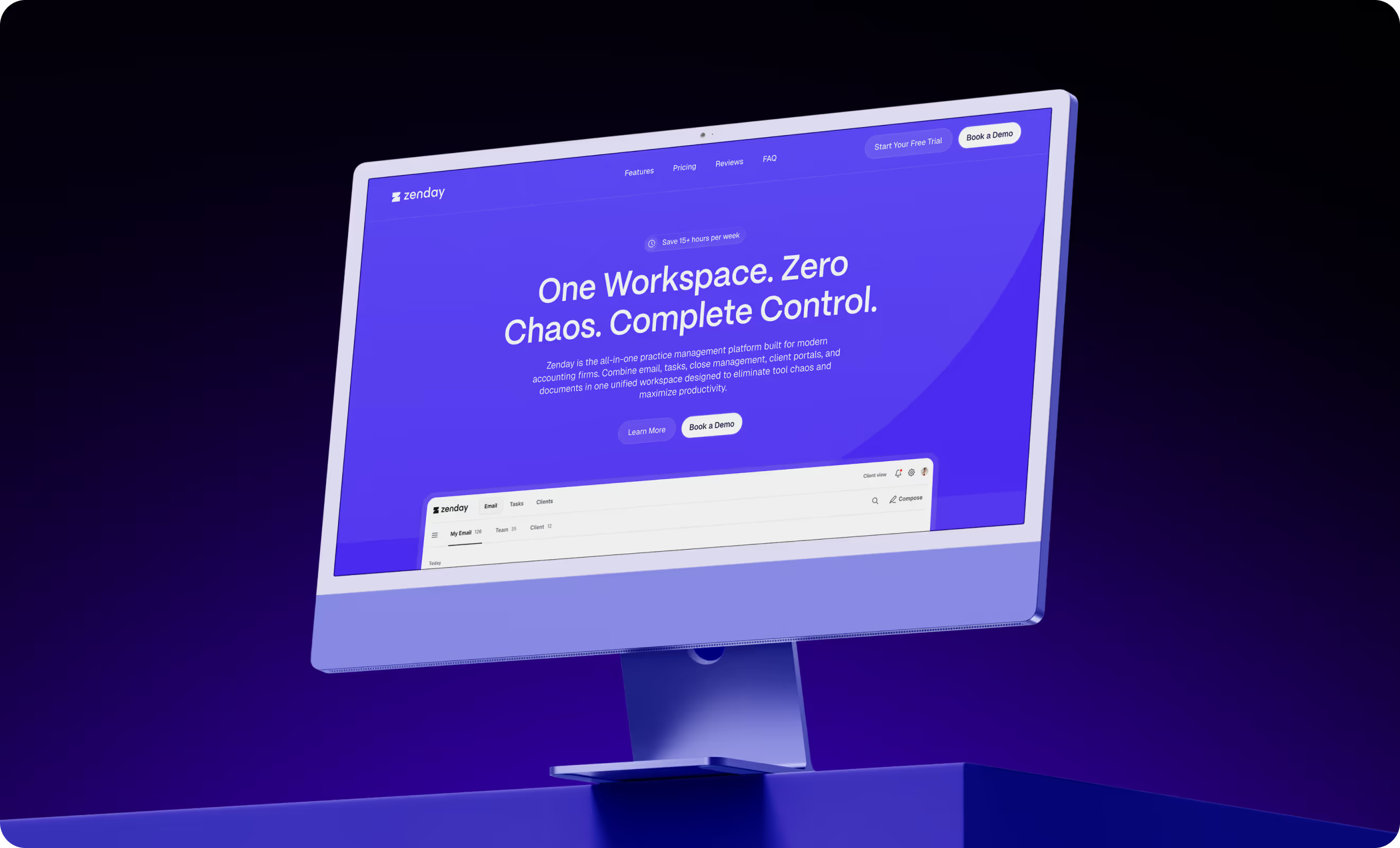
Noco is a Webflow and Framer agency for B2B SaaS, tech and AI companies. For Zenday, a US platform bringing AI to small and mid-sized accounting firms, we ran a Brand Sprint and built a zero-to-one website in one compressed push: from a blank page in late September 2025 to live on November 26, on the committed date, months before the product itself shipped.



Where this started
Zenday did not have a website problem. It had a nothing problem. A founder with deep accounting-industry experience, a product in development, a fundraise ahead, and no brand, no messaging, no site. Accounting firms pay thousands per month for outsourced junior work; Zenday was being built to do that work with AI. The story was strong. Nothing existed to tell it.
The product would not be ready for months. The waitlist, the demo calls and the investor conversations could not wait for it.
Brand and build in one motion.
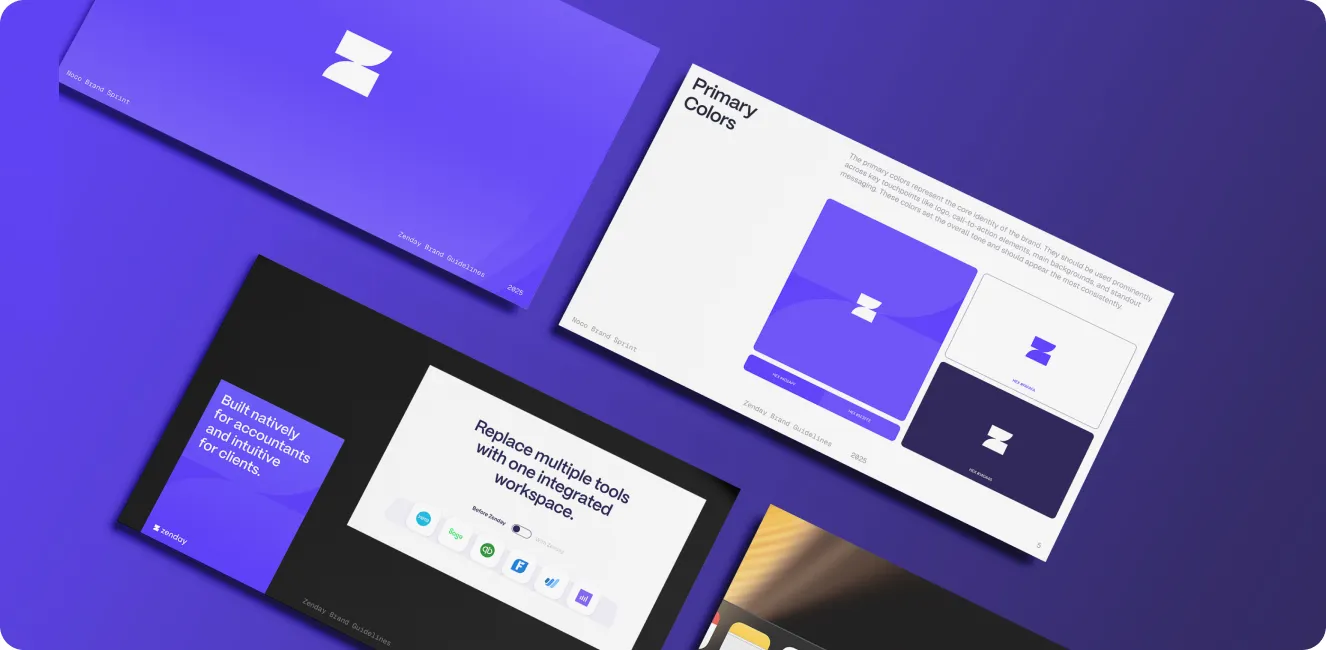
A standard Brand Sprint runs purpose alignment, messaging and visual identity, then hands off to a website project. Here the visual identity work was merged directly into the website design to compress the timeline: the site became the first full expression of the brand, and the brand guide was derived from it afterward. One decision, weeks saved, nothing skipped.
One page, built to convert.
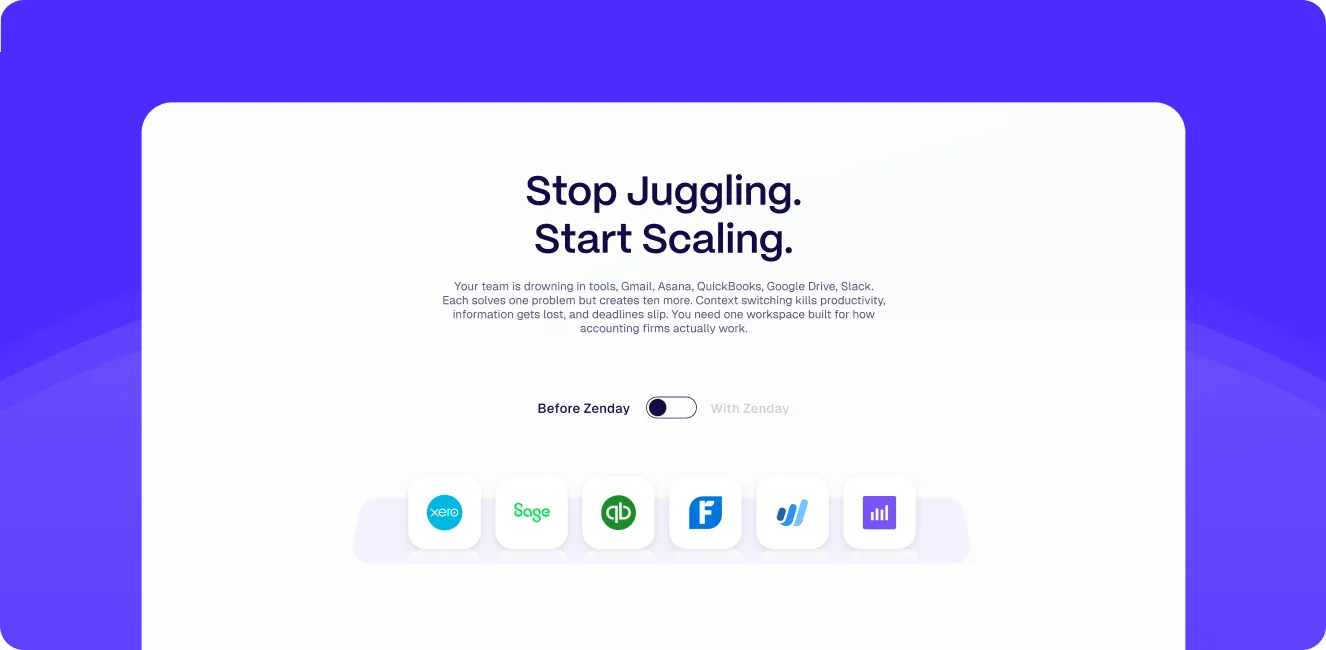
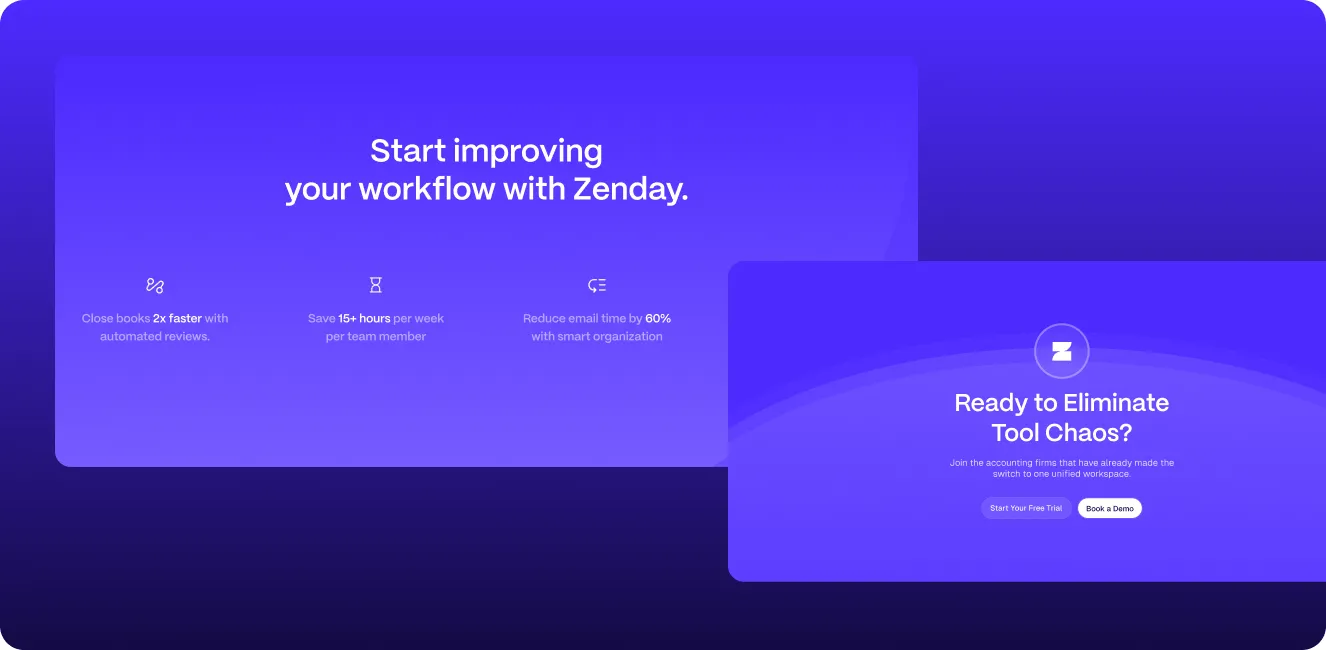
An MVP one-pager, not a ten-page site nobody would maintain pre-launch. Every section earns its place in a single argument, ending at two conversion points: join the waitlist or book a demo. A pre-product company needs exactly one page that sells. It got that page.
Framer, because stage beats habit.
Noco builds most sites in Webflow. For a pre-launch startup shipping one fast-moving page, Framer was the better tool: faster to build, faster to iterate, light to maintain. The stack should match the company's stage, not the agency's routine.
Built to raise, not just to launch.
The Brand Sprint outputs did double duty: the purpose, messaging and visual foundation became the foundation of Zenday's investor pitch deck. The same story on the website went in front of investors, told the same way.
The shipping log
Brand Sprint + Zero-to-One Website Sprint — 9 weeks, Project Based. Signed on a Friday, kickoff ten days later. Purpose alignment October 2, value proposition sessions mid-October, visual direction October 21, and live November 26, on the date committed at the start. Handed over with demo booking wired in and the brand guide delivered. The product followed months later; the website was already working.
What happened
- Live on the committed date after a compressed build. No slip.
- The waitlist and demo pipeline opened months before the product. Conversion points from day one: waitlist signup and Cal.com demo booking.
- The brand carried the raise. Sprint outputs became the foundation of the investor pitch deck.
- The product went live in spring 2026, first paying customers by July 2026. The website was never the bottleneck.
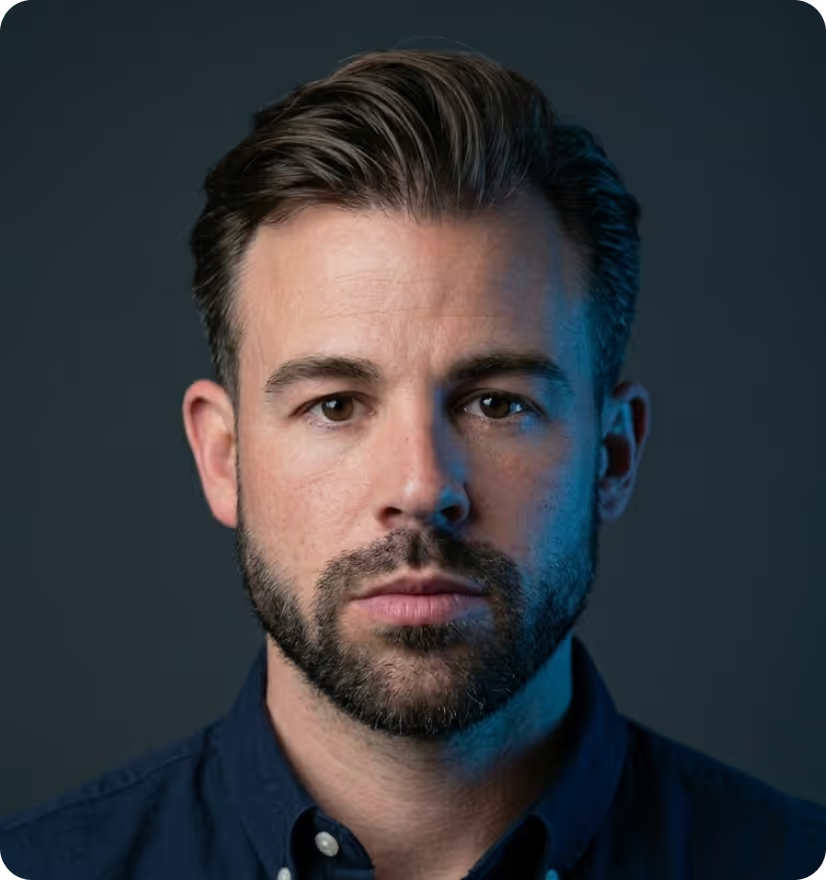
"For a brand new product in a highly specific niche, finding the right way to talk to the market is everything. The Brand Sprint gave us that foundation. Noco built our messaging framework from scratch, translated it into the website, and made sure every part of it spoke directly to our ICP. For an early-stage SaaS startup that also needs to impress VCs, having that clarity locked in from day one makes all the difference."

The honest part
Zenday was the first startup build Noco shipped in Framer. We chose it deliberately and said so: right tool for a one-page, fast-iteration stage, and a test of our own range beyond Webflow. It worked, and it is now a standing option for early-stage builds. The other trade-off was merging the visual identity into the website design. It saved weeks, and it meant the brand guide came after the site instead of before it. For a company at this stage, that order is right. For a scale-up it would not be.
Quick answers
How long did the Zenday brand and website take?
Nine weeks from kickoff to live: September 29 to November 26, 2025, on the committed date. That covered the Brand Sprint (purpose, messaging, visual identity) and the full website build.
What did Noco build for Zenday?
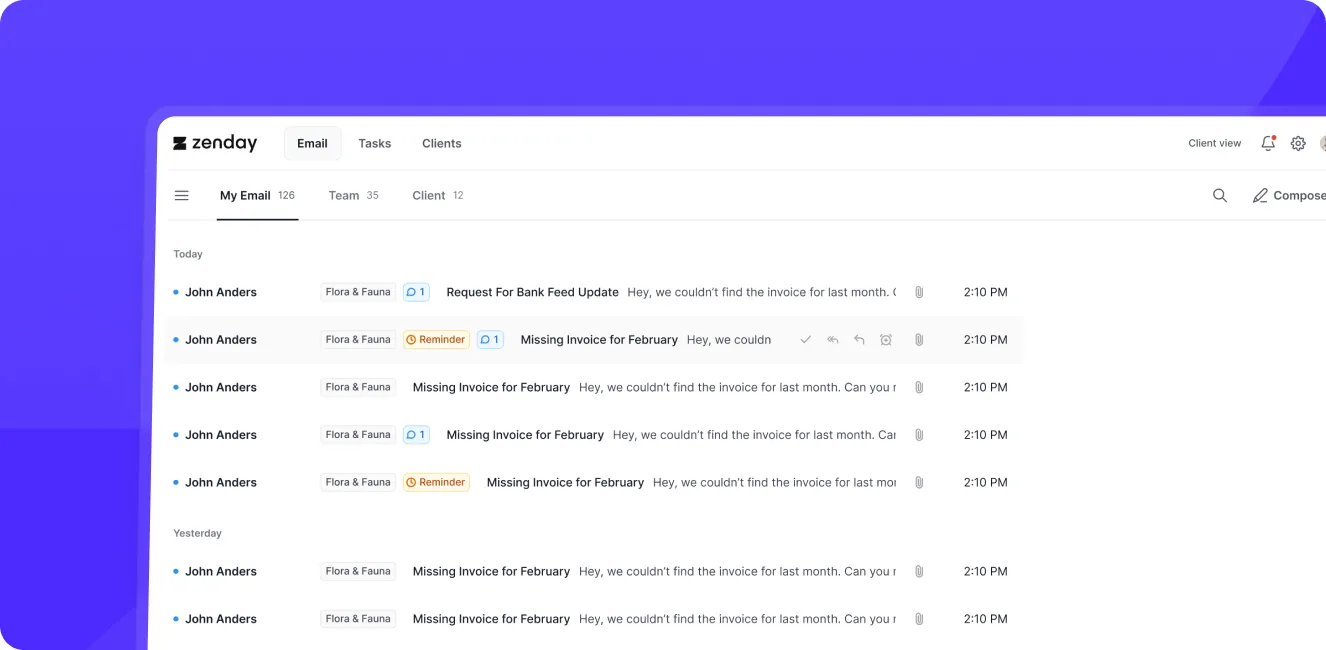
A brand foundation (purpose alignment, product messaging framework, visual identity and brand guide) and an MVP one-pager website in Framer with waitlist signup and Cal.com demo booking, plus GA4 measurement.
Why Framer instead of Webflow?
Stage fit. For a pre-launch startup with one fast-moving page, Framer builds and iterates faster. Noco works in both and picks per company stage.
Can a website launch before the product?
Zenday's did, by months. The waitlist, demo pipeline and investor story were live in November 2025; the product followed in spring 2026 with first paying customers by July.
What does this engagement look like?
A Brand Sprint feeding straight into a Zero-to-One Website Sprint: one team, one timeline, brand and site shipped as a single move.
Make your next move. Today.
Momentum is created in the first conversation. When the energy matches, everything else accelerates.

.webp)