

-p-500.webp)


Built in 2023. Still shipping three years later.
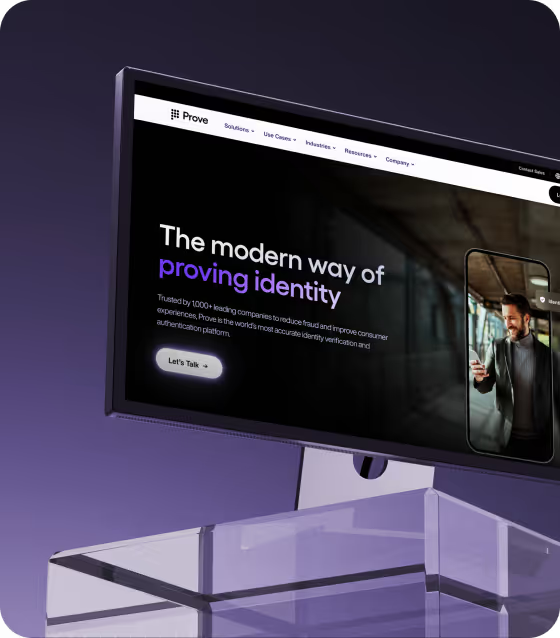
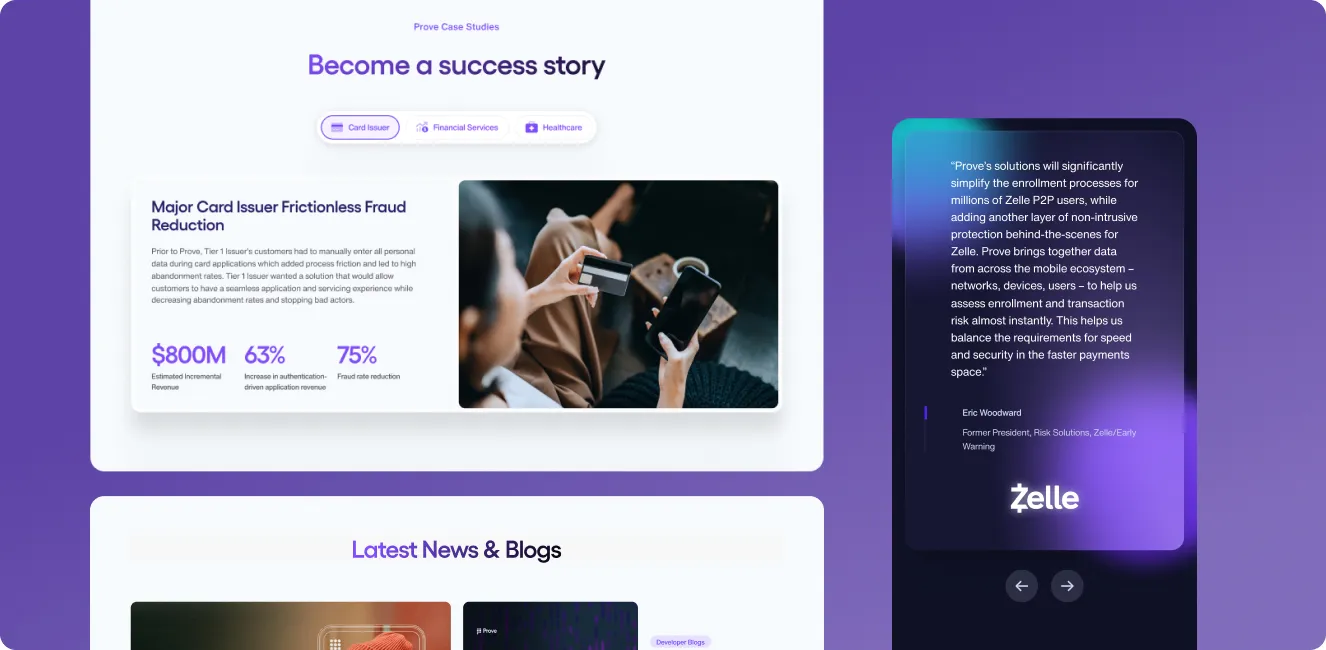
Noco is a Webflow agency for B2B SaaS, tech and AI companies. For Prove, the digital identity verification platform used by banks, fintechs and healthcare companies, we designed and built prove.com from scratch in 2023 and ran it as an embedded design and development team for three years, through a brand refresh, a category repositioning and the company's scale-up past 2,500 customers.
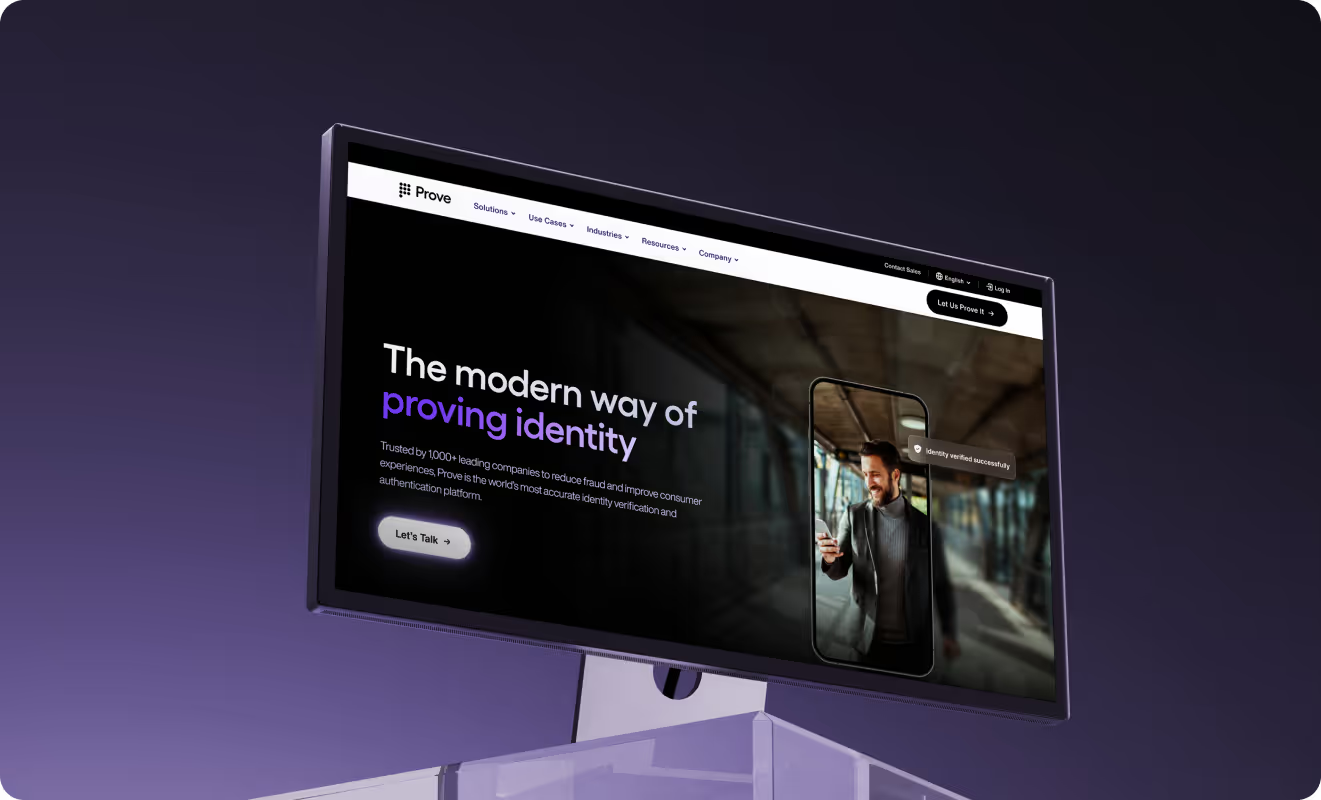




Where this started
In 2023, Prove was a security-conscious enterprise selling identity infrastructure to banks, and its website had to carry that weight: heavy content volume, constant campaign pressure, and buyers who read design quality as a proxy for engineering quality. Prove needed a site built like infrastructure, not like a brochure: designed from scratch, systematized, and able to absorb years of growth without decaying into patchwork.
That is the quiet test of enterprise web work. Anyone can ship a redesign. The question is what the same site looks like three years later.
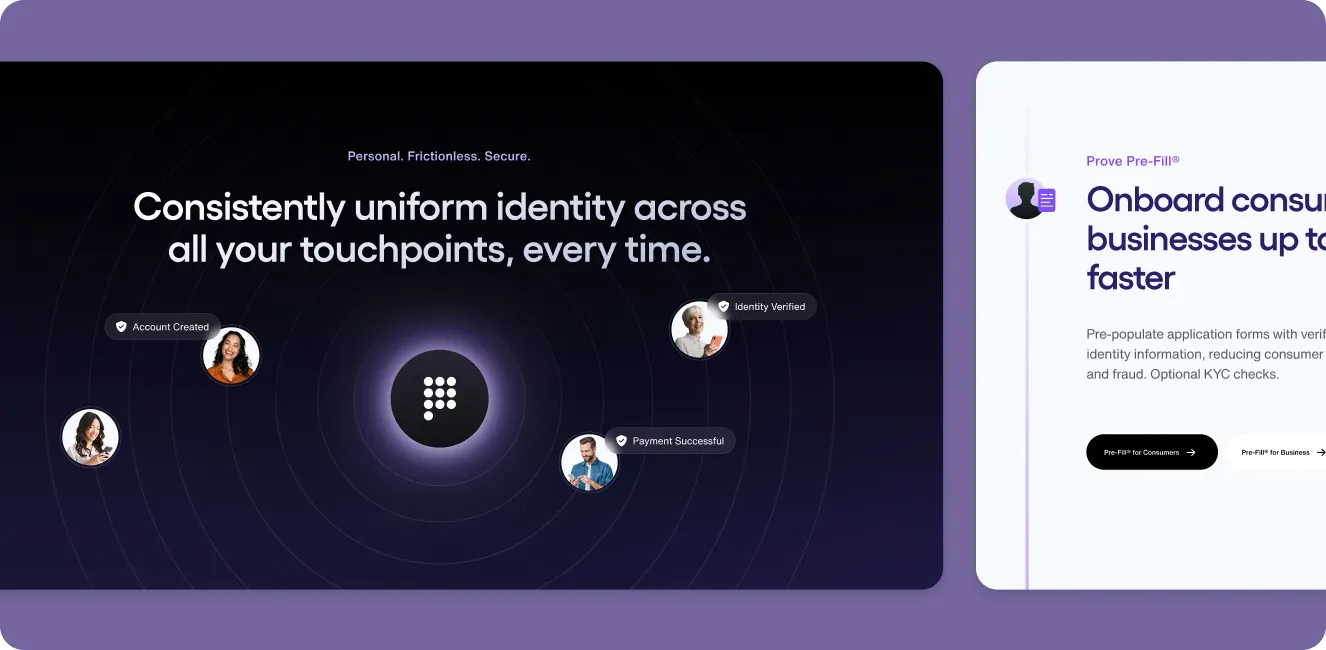
A design system before a single page.
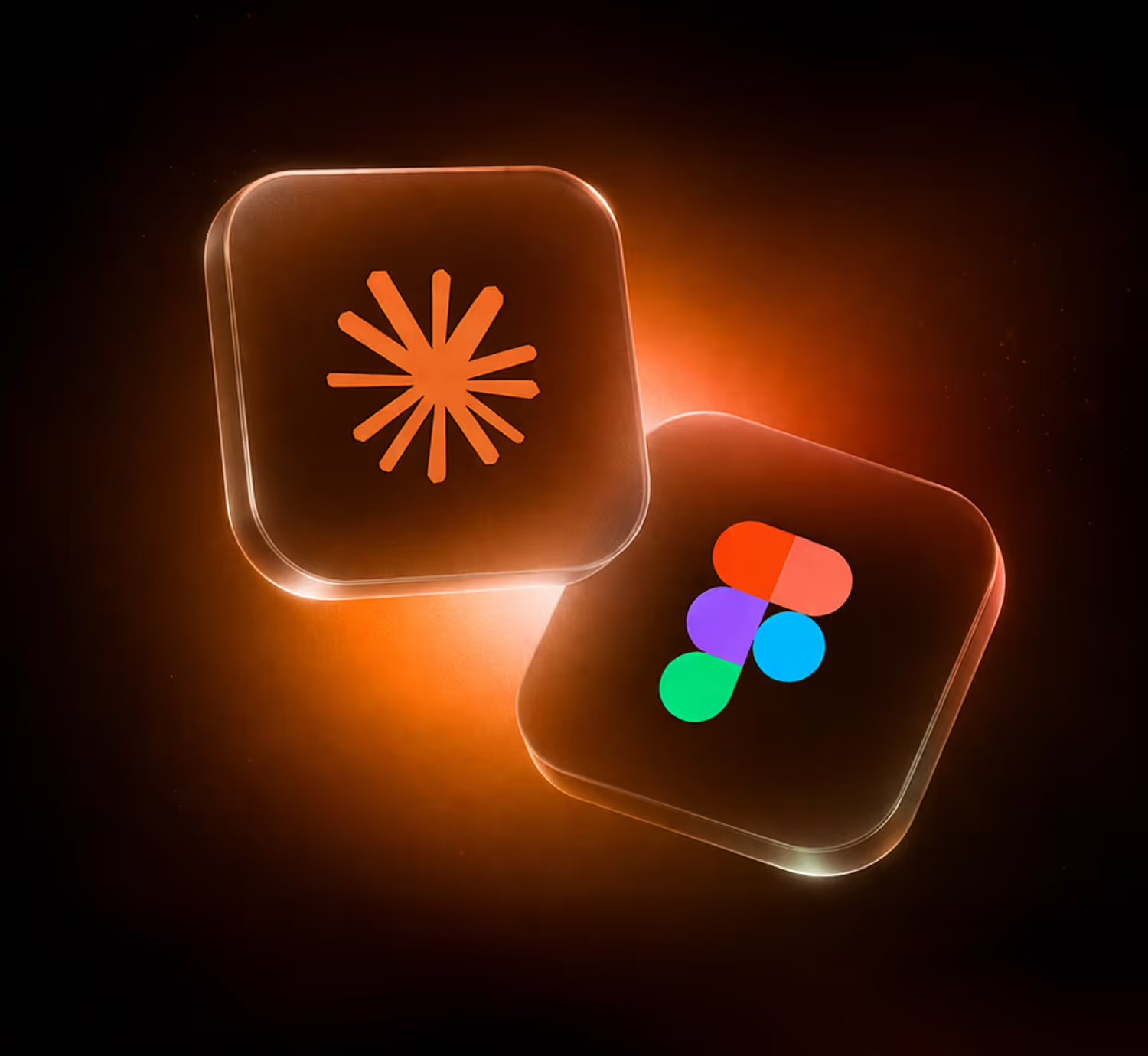
The 2023 build started with a full Figma design system, then expressed it in Webflow. Every page since has been an instance of the system, not a one-off. That is why the build absorbed three years of new products, event pages and content without a rebuild.
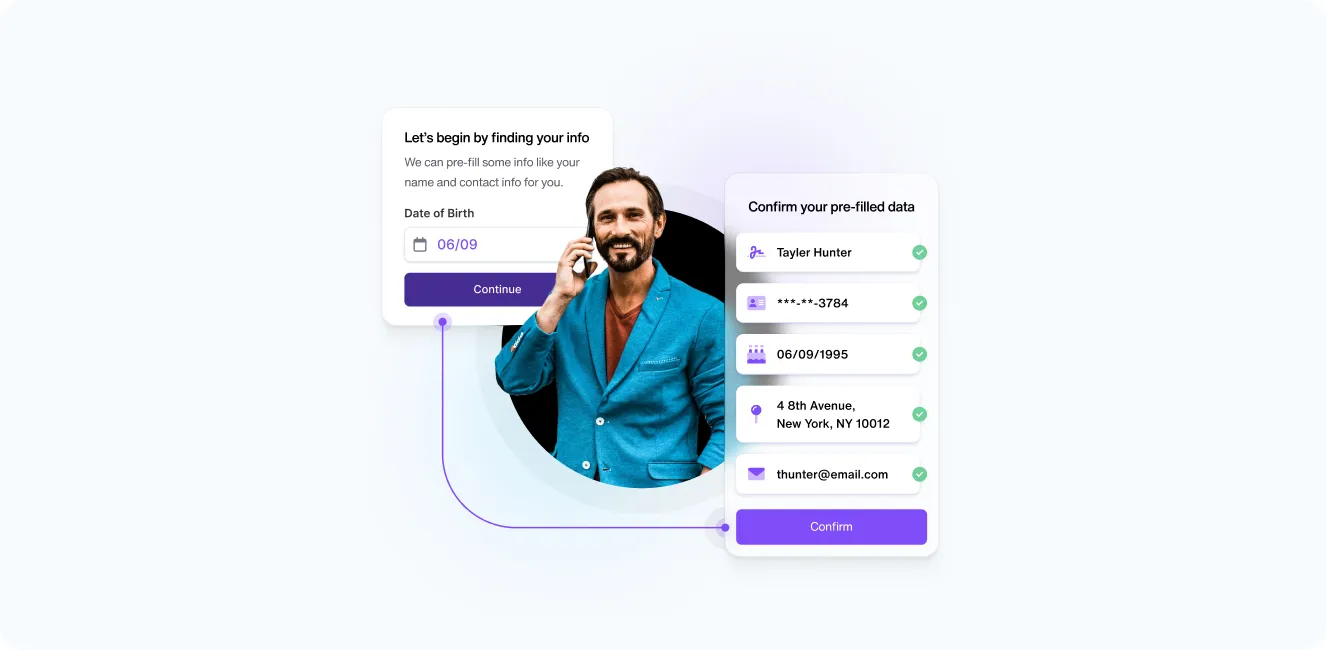
Tokens all the way down.
In 2025–2026 the system was hardened for the long haul: core tokens and variables for color, typography, spacing, shadows and effects in Figma, mirrored by a dynamic spacing system in Webflow that replaced fixed values across every breakpoint. Change a brand color once and it propagates. On an enterprise site, consistency is not aesthetics. It is governance.
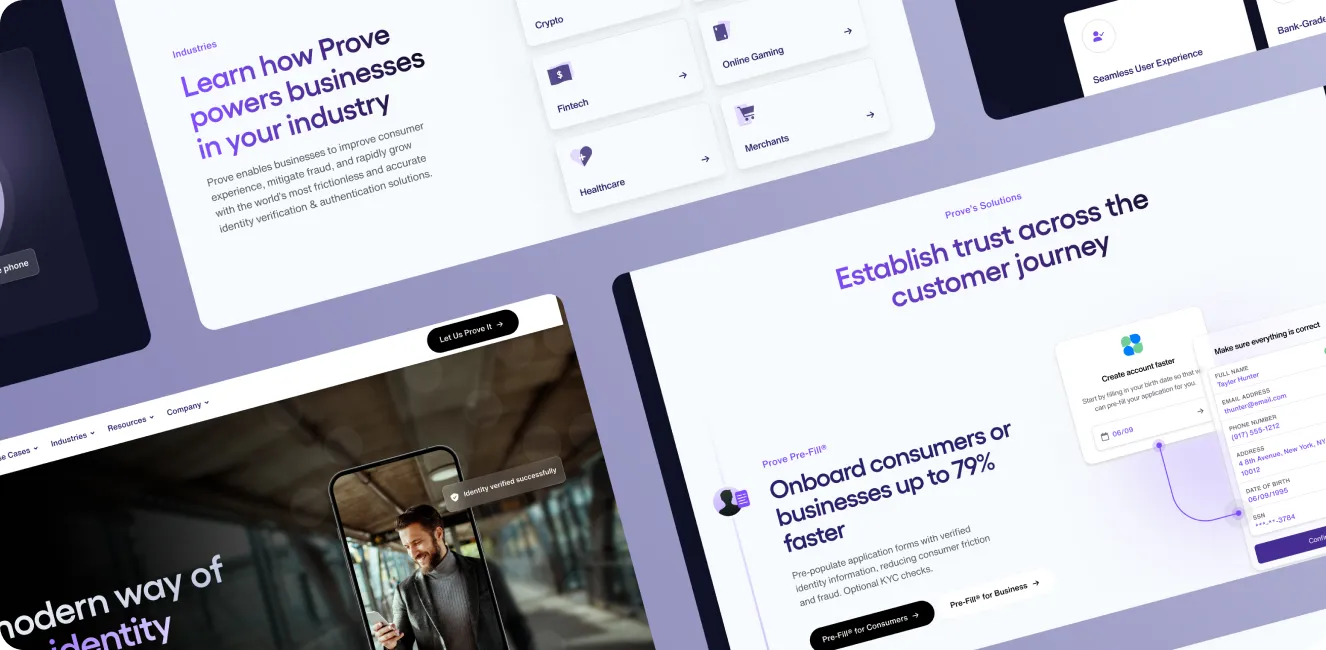
Documentation as a deliverable.
Full class mapping across the site, a typography audit across three breakpoints, and CMS, custom-script and JavaScript documentation maintained in Notion. The site stayed legible to everyone who touched it, on both sides. When the time came to hand it over, the handover was a transfer, not an excavation.
Scale without sprawl.
While Prove grew from 1,500+ to 2,500+ customers and repositioned identity verification into a persistent trust layer, the site followed: new product pages, event pages, a new blog template, localization groundwork, and the move to Webflow Enterprise with page branching and role-based publishing for a growing internal team.
The shipping log
Full design and Webflow build — 2023, Project Based. prove.com designed and built from scratch, design system first. The build went live in 2023 and was still the backbone of the site three years later. Handed into continuous work without a seam.
Retainers and PRO Subscription — 2023 to 2026, Continuous. Three years of embedded design and development across successive engagements: continuous growth retainers through 2024, then a PRO subscription from May 2025. Design system hardening, token architecture, audits, documentation, new templates, event pages and Webflow Enterprise migration support. In 2026, Prove brought development in-house; the engagement closed with a clean handover of the design system, documentation and walkthrough library.
What happened
- Zero rebuilds in three years. The 2023 design and build was still shipping at enterprise scale in 2026. Most enterprise sites get rebuilt inside that window; this one got extended.
- One source of truth. The tokenized design system spans Figma and Webflow, so brand changes propagate instead of accumulating drift.
- The site kept pace with the company. Through a brand refresh, a category repositioning and growth past 2,500 customers, the system absorbed it all.
- The work sold itself. The prove.com build has been cited directly in new enterprise business coming to Noco.
"Noco built Prove.com from the ground up and served as our embedded website team for three years. Over that time Prove grew significantly and repositioned the company, and the website was an important part of every step. They gave us a design system and a Webflow architecture built to scale, and they always made sure our website moved as fast as we did."

The honest part
For long stretches, Prove used a full design-and-development subscription mostly for maintenance. The system work got done and the site stayed healthy, but capacity for design evolution, landing page programs and conversion work went unconsumed. We said so directly rather than quietly billing on. The lesson we took: on enterprise accounts, showing the roadmap of what the capacity could do is as much our job as shipping what gets asked.
Quick answers
What did Noco build for Prove?
prove.com from scratch in 2023: full Figma design system and Webflow build, then three years of embedded design and development: token architecture, class and typography audits, CMS and script documentation, new templates, event pages and Webflow Enterprise migration support.
How long did Noco work with Prove?
Three years, 2023 to 2026, across a project build, continuous growth retainers and a PRO subscription.
What stack does prove.com run on?
Webflow Enterprise and Figma, with site documentation maintained in Notion. The Enterprise plan added page branching, single-page publishing and role-based permissions for Prove's internal team.
Did the site ever need a rebuild?
No. The 2023 build ran for three years through a brand refresh and a repositioning. The design system absorbed the change; that was the point of building it first.
What kind of engagement is this?
A zero-to-one enterprise build followed by a PRO subscription: embedded design, Webflow development and documentation discipline, month to month.


Make your next move. Today.
Momentum is created in the first conversation. When the energy matches, everything else accelerates.

.webp)